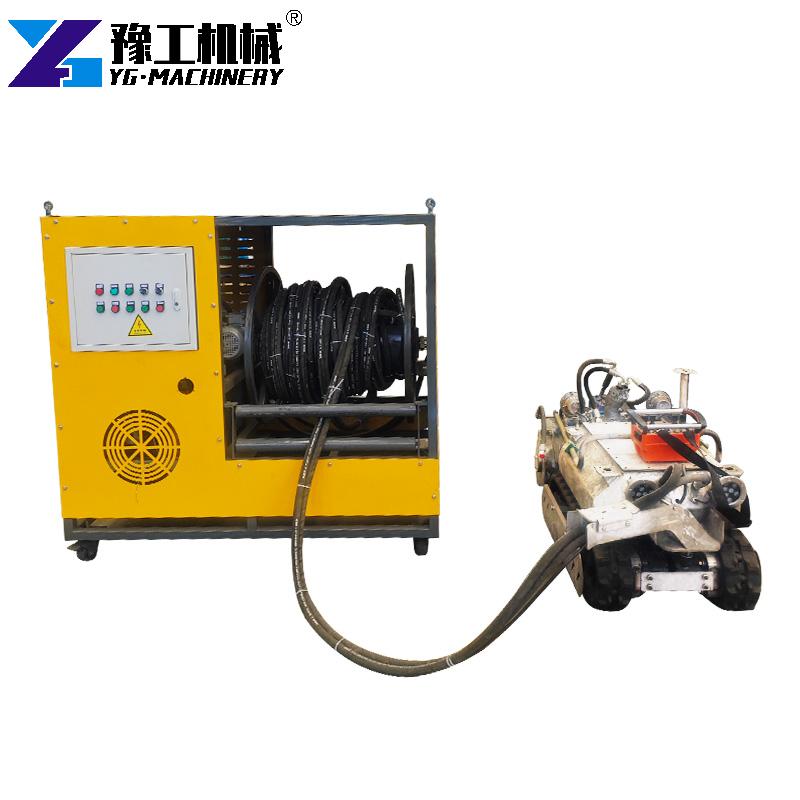
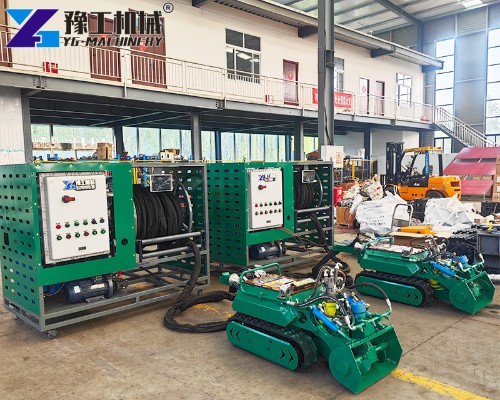
If you have ever handled manual sludge cleaning, you already know the problem. The work is slow, risky, and expensive. In many projects, workers cannot safely enter pipelines, oil tanks, or deep drainage systems for long periods. Toxic gas, limited visibility, and unstable sludge make the job harder every year. That is why more contractors now use an underwater dredging robot instead of traditional manual cleaning.
A modern dredging robot can remove 100–300m³ of sludge per hour. It can also work continuously at depths of 10–30 meters. More importantly, operators stay above ground during the entire process. For many buyers, safety is the first reason to upgrade. Cost savings come right after.
Underwater Dredging Robot Parameter
| Model | YG-500 | YG-600 | YG-700 | YG-800 | YG-900 | YG-1200 |
| Robot Size | 1500*500*650mm | 1500*600*650mm | 1600*700*650mm | 1600*850*700mm | 1650*960*750 | 1900*1200*750 |
| Dredging Width | 500mm | 600mm | 700mm | 800mm | 900mm | 1200mm |
| Track Travel Speed | 3-15m/s | 3-15m/s | 3-15m/s | 3-15m/s | 3-15m/s | 3-15m/s |
| Water Pump Flow Rate | 100 cubic meters | 100 cubic meters | 160 cubic meters | 160 cubic meters | 200 cubic meters | 200 cubic meters |
| Water Pump Head | 0-30m | 0-30m | 0-25m | 0-25m | 0-25m | 0-25m |
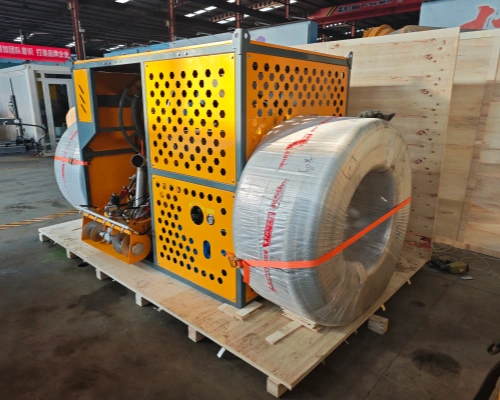
| Hydraulic Station Dimensions | 2200*1200*1700 | 2200*1200*1700 | 2200*1200*1700 | 2200*1200*1700 | 2200*1200*1700 | 2120*1240*1200 |
| Main Motor Power | 18kw | 18kw | 22kw | 22kw | 22kw | 45kw |
How an Underwater Dredging Robot Actually Works
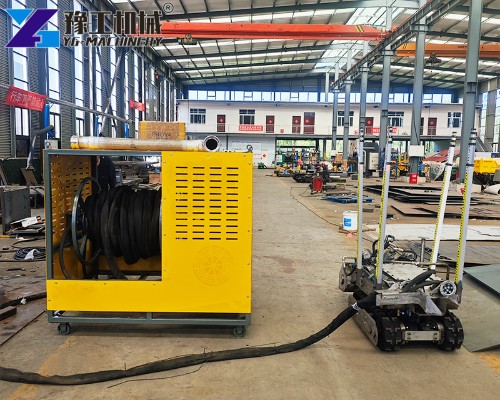
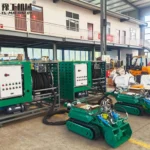
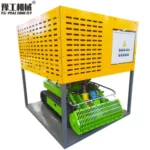
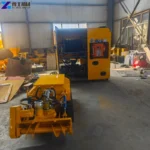
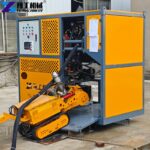
A complete underwater dredging robot system normally includes:
- Hydraulic power station
- Underwater crawler robot
- Hydraulic hose system
- Sludge suction pipeline
- Remote control system
The robot moves slowly along the sludge surface using a crawler chassis. At the same time, the hydraulic cutter loosens hard sediment while the suction system pumps sludge to the surface. Simple process. Very effective.
Key Features Buyers Usually Care About
1. Stable Movement in Heavy Sludge
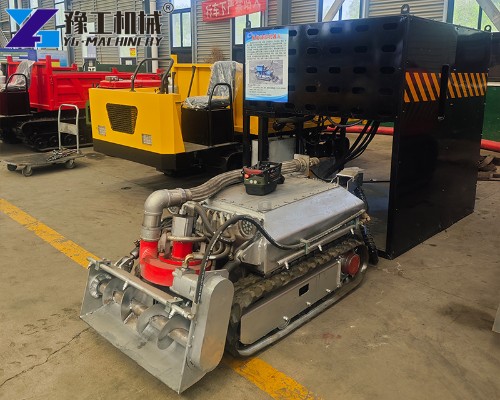
Many job sites contain thick sludge with poor ground stability.
YG Machinery uses a hydraulic crawler chassis designed for muddy environments. Compared with wheeled systems, crawler robots maintain better traction and lower sinking risk.
Available working widths include:
- 600mm
- 800mm
- 900mm
- 1200mm
- 1500mm
That allows the dredging robot to enter different pipe sizes and tank openings.
Tip: The 600 model and 900 model are the most popular among European and Middle Eastern contractors.
2. Strong Sludge Pumping Capacity
A sludge robot without strong pumping ability quickly becomes inefficient.
YG underwater dredging robot systems support:
- 100–300m³/h flow rate
- 150m conveying distance
- Maximum particle size up to 40mm
- 10–30m operating depth
For harder sediment, the robot can also use:
- Hydraulic cutters
- High-pressure water jets
- Vacuum suction systems
This setup works well in municipal sludge and industrial sediment projects.
3. Remote Operation Improves Safety
Manual sludge removal inside pipelines is still common in some regions. However, safety risks continue to increase.
Remote-controlled dredging robot systems reduce worker exposure to:
- Hydrogen sulfide gas
- Low oxygen conditions
- Chemical wastewater
- Deep confined spaces
Most projects only require two operators above ground. That changes labor management completely.
Where Is an Underwater Dredging Robot Used?
Municipal Pipeline Cleaning
Urban drainage systems collect sediment every year. If sludge is not removed in time, cities face:
- Flooding
- Pipe blockage
- Overflow pollution
- Expensive emergency repairs
An underwater dredging robot can clean:
- Underground drainage pipes
- Sewer systems
- Inspection wells
- Narrow drainage channels
Compared with manual cleaning, efficiency often improves by more than four times.
River and Lake Dredging Projects
Environmental dredging is growing quickly across Europe and Southeast Asia.
Traditional excavators often disturb too much sediment during cleaning. In contrast, a dredging robot provides more controlled sludge removal.
This helps:
- Reduce the spread of water pollution
- Improve water quality
- Protect nearby ecosystems
- Lower project disturbance
Many environmental contractors now prefer robotic dredging for ecological projects.
Oil Tank and Chemical Plant Cleaning
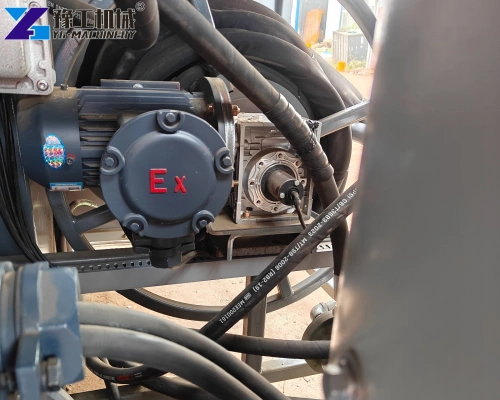
The demand for oil tank cleaning robot systems has increased sharply during the last two years. Chemical plants usually contain:
- Corrosive sludge
- Flammable gases
- Toxic wastewater
- Limited-access tanks
YG Machinery offers optional:
- Explosion-proof motors
- Stainless steel structures
- Corrosion-resistant hydraulic systems
- HD camera monitoring
These features improve safety in hazardous environments.
Real Customer Case From the United States
In 2025, a contractor from Texas contacted us about severe sludge buildup inside a municipal drainage system.
The project conditions were difficult:
- Pipe diameter: 1200mm
- Sludge thickness: over 60cm
- Workers could not stay underground safely
The customer selected a 900-type underwater dredging robot with remote camera monitoring.
After installation:
- Sludge removal reached 200m³/h
- Project completion time dropped by 40%
- Annual labor cost decreased by around USD 180,000
Six months later, the customer ordered a second unit.
How to Choose the Right Dredging Robot for Sale
Not every project needs the same robot size. Before choosing a dredging Robot for sale, buyers should confirm:
Sludge Capacity Requirement
Common capacities include:
- 100m³/h
- 150m³/h
- 200m³/h
Higher flow rates normally require larger hydraulic systems.
Pipe Diameter or Tank Opening Size
Typical working sizes include:
- 600mm
- 800mm
- 900mm
- 1200mm
- 1500mm
This determines robot dimensions.
Working Environment
Buyers should also confirm:
- Freshwater or chemical sludge
- Need for explosion-proof systems
- Electric or diesel power preference
- Required operating depth
Electric models remain the most popular because maintenance costs stay lower.
Underwater Dredging Robot Frequently Asked Questions
Yes. The system combines:
Hydraulic cutters
High-pressure water jets
Vacuum suction systems
This combination breaks and removes compact sludge effectively.
It depends on the project. Electric systems are quieter and easier to maintain. Diesel systems fit remote construction sites without stable electricity. Most buyers still choose electric models.
Normally, only two operators are required. One controls the robot. The second monitors sludge discharge and hydraulic pressure.
Why Contractors Continue Choosing YG Machinery
Most buyers do not simply want another underwater dredging robot.
They want:
- Stable long-term performance
- Lower labor costs
- Safer working conditions
- Faster project completion
- Reliable after-sales support
That is exactly where YG Machinery focuses.
Our dredging robot systems already work in:
- Municipal drainage projects
- River dredging projects
- Chemical wastewater cleaning
- Industrial sludge removal
- Oil tank cleaning applications
Different projects require different solutions. We help customers match the right configuration based on sludge type, operating depth, and flow requirement.