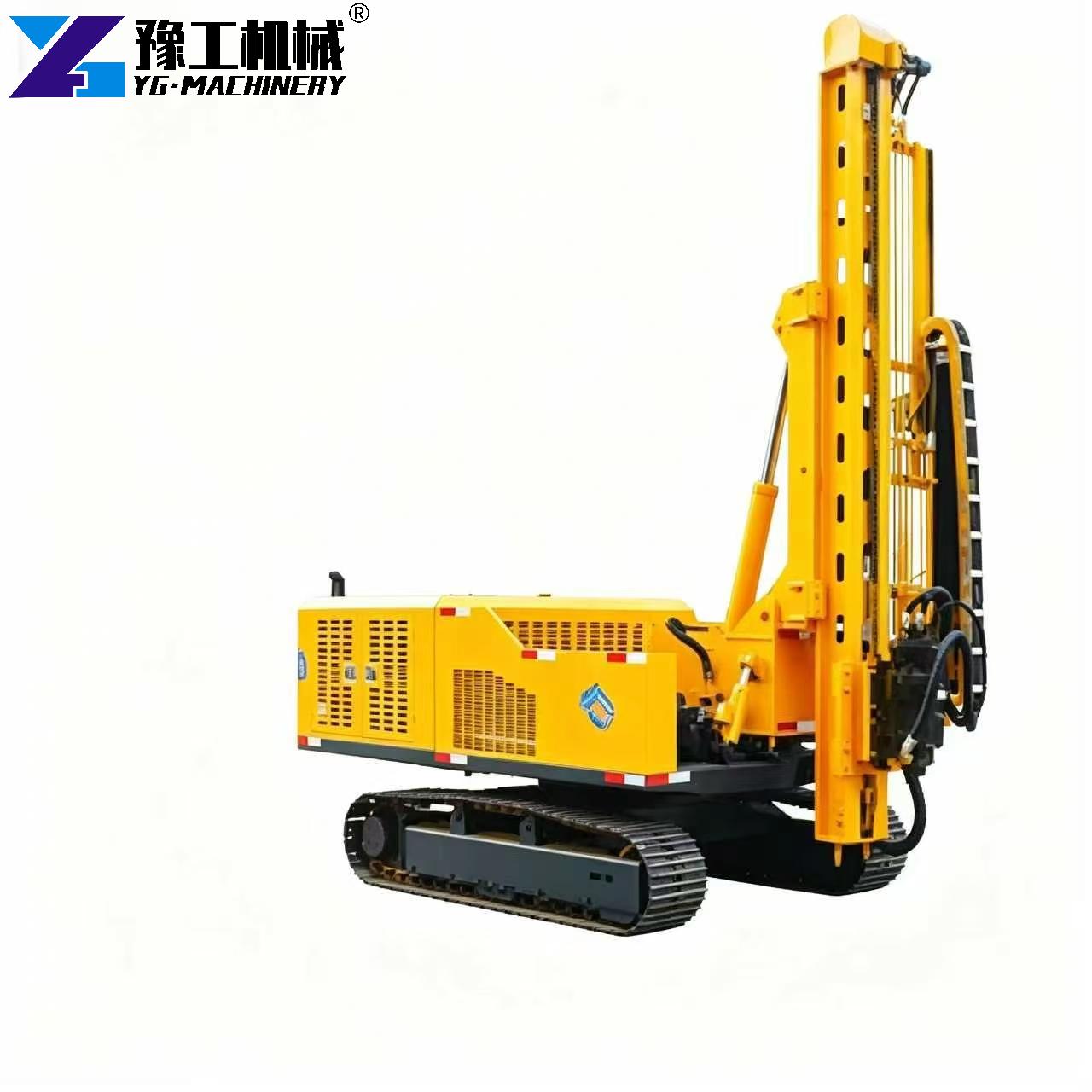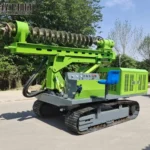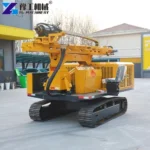
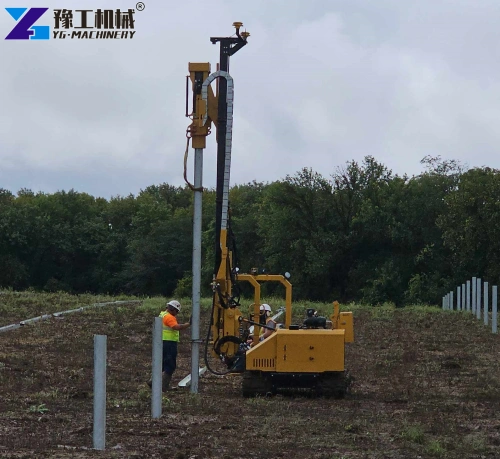
Many overseas solar contractors find that the real issue after buying a pile driver solar is not machine power. The bigger problems are usually wrong equipment selection, poor soil analysis, and unsuitable working methods.
From our overseas service experience, around 80% of construction problems come from matching the machine with the working condition.
For example, an auger bit works well in normal soil. However, it slows down quickly in rock layers. Check the ground first. Then choose the right working mode.
Why Can My Pile Driver Solar Not Drive the Pile?
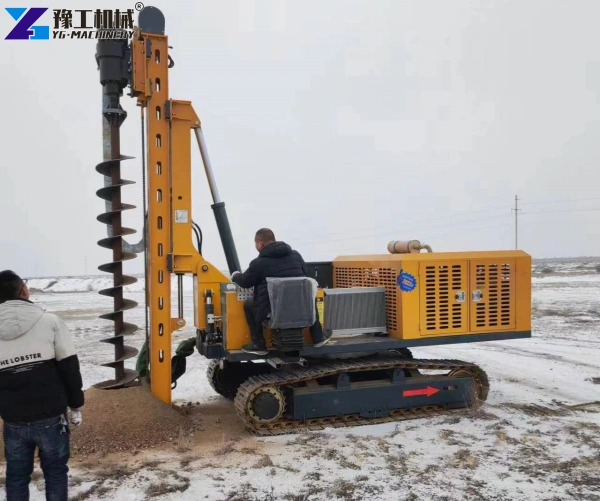
In most cases, the pile does not enter the ground because of the wrong method, not because of machine failure.
Common ground conditions in solar projects include:
- Soft soil
- Clay soil
- Desert gravel
- Pebble layers
- Weathered rock
Each condition needs a different solution. For normal soil, operators can use a spiral auger bit. For hard rock areas, the machine needs a rock drilling attachment with an air compressor.
YG pile driver solar models can drill holes up to 400mm in diameter, with a maximum single push depth of about 3.2 meters. Most solar projects only require 1-3 meters pile depth, so one-time drilling can meet many construction needs.
Tip: Check the soil before blaming the machine. Many “machine problems” are actually ground problems.
How to Choose the Right Pile Driver Solar for Different Soil?
Different sites require different working methods.

Normal Ground: Use Drilling or Vibratory Mode
Suitable for:
- Flat solar farms
- Agricultural solar projects
- Sandy areas
The operation is simple and fast. Under normal soil conditions, one skilled operator can usually complete around 200-300 holes per day.
Mountain Projects: Choose Rotary Screwing Mode
Mountain areas often have:
- Slopes
- Gravel
- Uneven ground
In these locations, screw installation works better. The solar pile driver uses a rotating method, similar to turning a screw into the ground. It creates less vibration and improves pile stability.
YG sliding and telescopic models can work on slopes around 45°, while many standard machines are suitable for around 30° slopes.
Tip: For mountain projects, stability matters as much as power.
Why Does My Pile Driver Solar Drill Slowly?
Slow drilling usually comes from four reasons.
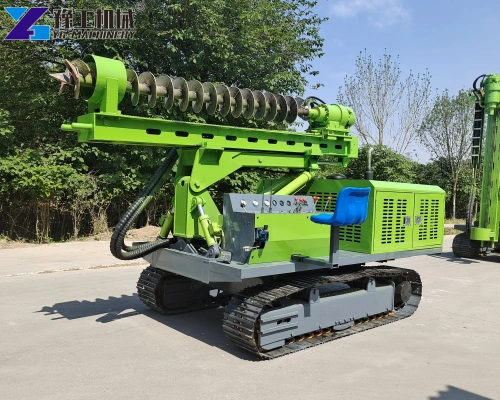
1. Worn Drill Bits
After long operation, cutting performance decreases.
Solution: Replace worn drilling tools on time.
2. Changing Soil Conditions
Sometimes the first 100 holes are easy. Then the machine suddenly reaches rock.
The solution is simple. Change to impact drilling mode.
3. Wrong Power Selection
Electric models are suitable for:
- Soil
- Desert land
- Agricultural fields
Hydraulic models are better for:
- Mixed soil
- Rock layers
- Complex outdoor projects
4. Incorrect Drill Rod Selection
Different hole sizes need different tools.
YG provides:
- Spiral auger bits
- Rock drilling tools
- Ground screw installation attachments
One machine can handle more applications.
Where Can Pile Driver Solar Be Used?
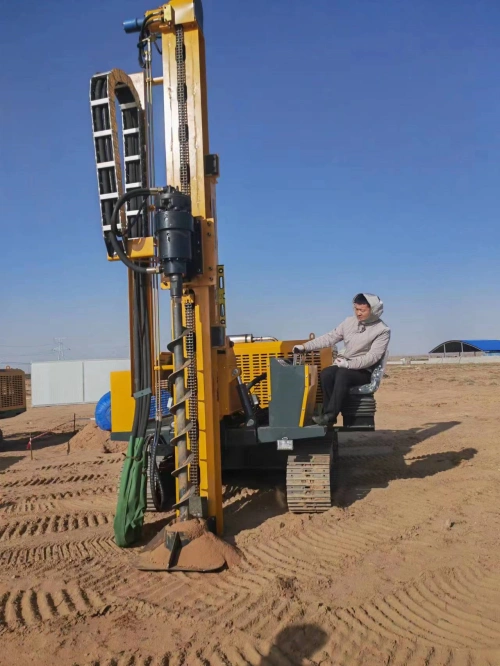
Many buyers think a pile driver solar only works for photovoltaic projects. Actually, it can serve several small pile foundation applications.
Solar Farm Construction
Main uses include:
- Solar support installation
- Ground screw installation
- Steel pipe pile driving
This is the largest application field today.
Farm and Fence Projects
It can install:
- Fence posts
- Anchor piles
- Small steel pipe piles
Power Facility Installation
Applications include:
- Utility pole foundation holes
- Sign post installation
Important note: Concrete poles should not be directly hammered.
The safer method is: Drill the hole first, then install the pole.
Road Facility Construction
With different attachments, the machine can also support:
- Guardrail installation
- Small road foundation work
Some customers combine a solar post driver with guardrail accessories to increase equipment usage.
Colombia Customer Case: Solving Mountain Solar Project Problems
In 2025, Carlos, a solar contractor from Colombia, contacted YG. His team was working on a mountain solar project near the Andes region.
The site conditions were difficult:
- About 35° slope
- Clay soil on the surface
- Gravel and weathered rock underground
The previous method had clear problems. Manual installation was too slow. Standard equipment often caused pile deviation. Carlos needed one machine that could handle different ground conditions.
YG Pile Driver Solar Solution for Colombia Project
Based on the project details, we recommended:
- Hydraulic pile driver solar
- Spiral auger bit
- Rock drilling attachment
The working method was flexible.
For normal areas:
The operator used spiral drilling.
For rock areas:
The operator changed to impact drilling. No main machine replacement was needed. Only the working attachment changed.
What Results Did the Customer Get?
After real construction tests:
- Normal soil: about 1 minute per hole
- Rock area: about 2 minutes per hole
- Daily output: around 200 holes
The high-low leg design also improved machine stability on slopes.
Carlos said:
“The biggest advantage is flexibility. One machine can handle different ground conditions.”
Pile Driver Solar FAQ: Buyer Questions Answered
Most solar projects require: 1-3 meters depth. YG machines can reach about 3.2 meters in one drilling process. Special requirements can be customized.
Yes.
But it needs:
Rock drilling attachment
Drill bit
Air compressor
A normal auger bit is not suitable for hard rock.
A solar piling machine focuses on:
Flexible movement
Small pile installation
Outdoor solar projects
Normal pile drivers are mainly used for:
Bridges
Buildings
Large foundations
Electric models are suitable for:
Simple soil conditions
Lower budget projects
Hydraulic models are better for:
Mixed ground
Long-term construction
Rock drilling needs
Yes.
Operators should understand:
Soil conditions
Tool selection
Hydraulic operation
Daily maintenance
Correct operation improves efficiency and machine service life.
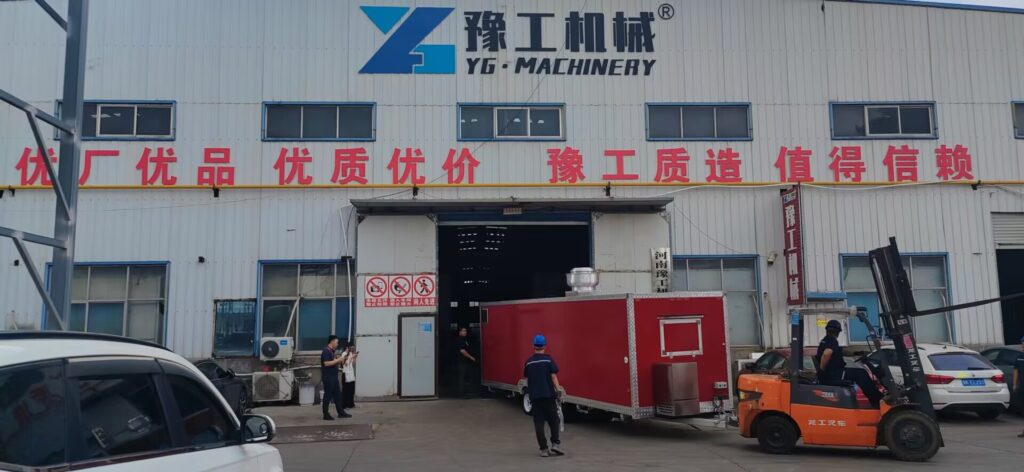
YG Machinery provides complete pile driver solar solutions for solar farms, fence projects, and outdoor foundation work. Contact us with your soil condition, pile size, and project details to choose the right model.