

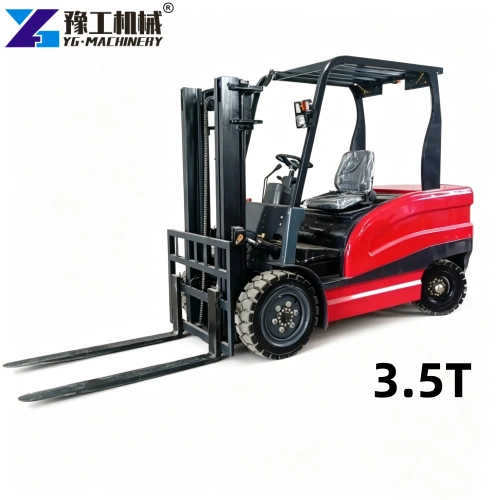
In real procurement cases, over 65% of buyers hesitate between 2.5 ton and 3.5 ton electric powered forklift models.
From YG Machinery export experience in South Africa, Poland, and Argentina, the real issue is not “which is better”, but which fits the job condition better.
Important fact:
👉 Both 2.5 ton and 3.5 ton belong to the four wheel electric powered forklift system.
The difference is load capacity and work intensity.
Why Four Wheel Electric Powered Forklift Structure Matters
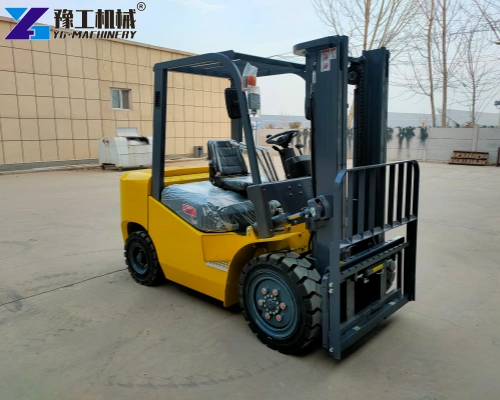
Conclusion: four wheel structure provides higher stability under load.
Compared with three-wheel design, stability improves by 20–25% under full load.
This reduces tipping risk in industrial use.
Tip: If you handle pallets daily, four wheel is the default choice.
Electric Powered Forklift 2.5 Ton vs 3.5 Ton Difference
The difference is not usability, but efficiency limit.
2.5 Tonne Forklift
- best for light warehouse use
- saves 15–20% energy
- common in retail logistics
Forklift 3.5 Ton
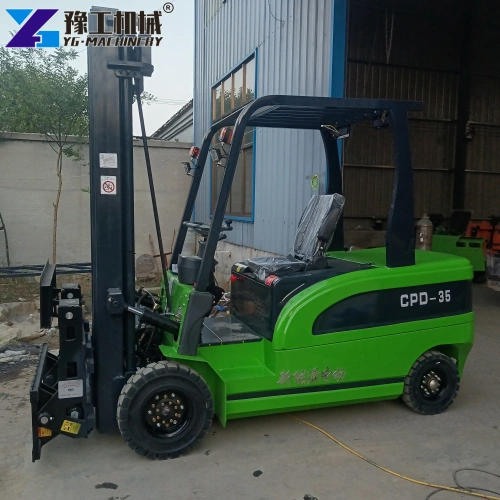
- better for industrial loads
- higher stability under heavy pallets
- better for factories and heavy duty use
Tip: If average load exceeds 1.8 tons, choose 3.5 ton.
Electric Powered Forklift in Warehouse Use
Conclusion: warehouse selection depends on cycle efficiency, not just tonnage.
2.5 ton models work better in narrow aisle picking.
3.5 ton models work better in high frequency stacking.
Key factors:
- pallet handling efficiency
- turning radius
- battery cycle life
- hydraulic response
Real Case Study from Poland
Customer: David (pseudonym)
Problem:
2.5 ton four wheel forklift overloaded during peak season.
Solution:
Upgraded to YG Machinery forklift 3.5 ton four wheel electric powered forklift.
Result:
- 28% higher efficiency
- improved stability
- lower maintenance rate
Feedback: “The issue was wrong sizing, not machine quality.”
Electric Forklift FAQ
No, but it is the industrial standard.
Not recommended for heavy duty cycles.
Yes for high intensity usage.
