


A 2.5 tonne forklift has a rated capacity of 2,500 kg. This capacity fits many warehouse, factory, and logistics tasks. However, real selection needs more than rated load. Load center, mast height, battery type, turning space, and duty cycle also matter.
YG Machinery 2.5 ton models use a four-wheel structure. This design suits stable pallet handling and regular industrial work. Here, we explain how these technical factors affect daily use.
What Does the Rated Capacity of a 2.5 Tonne Forklift Mean?
A 2.5 tonne forklift uses 2,500 kg as its rated load. This figure cannot stand alone. A forward load center can reduce the safe working capacity.
A 500 mm load center is common for forklift evaluation. Long loads can move the center of gravity forward. Therefore, buyers should check the capacity chart on the data plate.
On site, we focus on actual cargo weight. We also check how far the load sits from the fork face.
Why Does a 2.5 Tonne Forklift Use a Four-Wheel Design?
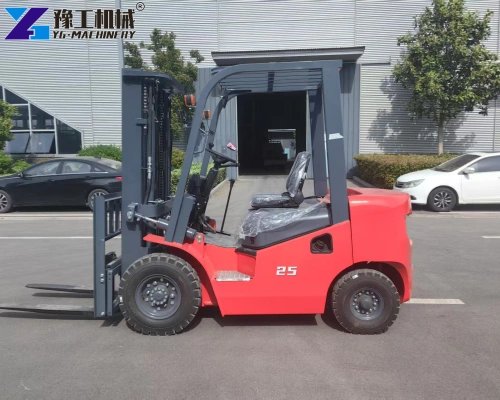
The four-wheel forklift structure focuses on load stability. Four-wheel support helps improve stability during loaded travel and lifting.
This matters in warehouses, factories, and paved outdoor yards. Turning also shifts the load center. Therefore, tire grip and vehicle balance both matter. A four-wheel layout also needs more turning space. Check the aisle before ordering.
How Should You Choose 2.5 Tonne Forklift Mast Height?
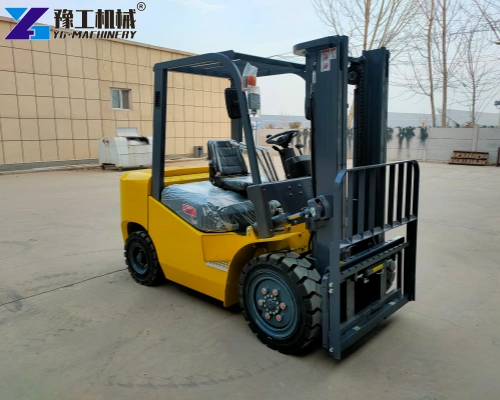
Mast height controls stacking capability. Common industrial jobs need around 3 m, 4 m, or higher lift heights.
However, a taller mast does not fit every site. A high mast increases overall vehicle height. It can also reduce overhead clearance. Buyers should check lift height and lowered mast height. This matters in containers and low-ceiling buildings.
Why Do Motor and Hydraulic Systems Matter?
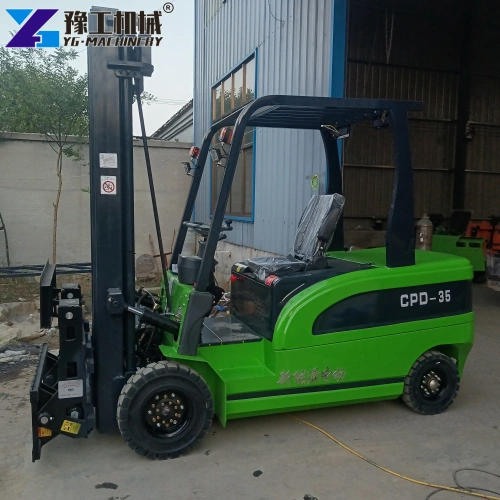
The motor controls travel response. The hydraulic system controls lifting and tilting. A modern electric-powered forklift often uses an AC drive system. AC motors offer smooth control during frequent starts and stops. The hydraulic system must also maintain stable pressure. Warehouse work repeats the same cycle. Travel, stop, lift, lower. Control accuracy matters more than top speed alone.
💡 Tip: For high-cycle work, check controls before motor power.
How Do You Choose Lead-Acid or Lithium Batteries?
Battery choice depends on work shifts and charging conditions.
Lead-acid batteries usually have a lower purchase cost. They suit users with fixed daily shifts. Lithium batteries fit high-frequency work and offer flexible charging routines.
If the forklift works long hours each day, lithium deserves close attention. For one fixed shift, lead-acid can still make good sense.
💡 Tip: Calculate daily working hours before comparing battery prices.
How Does a 2.5 Tonne Forklift Fit Different Worksites?
A 2.5 tonne forklift works across many applications. Typical sites include warehouses, factories, logistics centers, supermarkets, and some construction material yards.
Warehouse Logistics
Focus on turning radius, mast height, and battery runtime. Dense racks make operating space critical.
Manufacturing Plants
Focus on duty cycle and load stability. Steel parts, machine parts, and palletized materials are common loads.
Ports and Outdoor Yards
Focus on tire grip, ground conditions, and protection features. Outdoor work also brings dust and moisture.
Supermarkets and Wholesale Warehouses
Focus on noise, steering, and stacking speed. Electric machines suit indoor work well.
How Does a 2.5 Tonne Forklift Compare With a 3.5 Ton Model?
Both 2.5 ton and 3.5 ton models belong to the four-wheel electric forklift category. The main difference is rated capacity and duty intensity.
A 2.5 tonne forklift suits regular pallets and medium loads. A 3.5-ton forklift model offers more capacity for heavier cargo.
If loads often reach 2.5 tons, avoid constant operation at the limit. A reasonable capacity margin reduces stress on the vehicle and hydraulic system.
Technical Case: Warehouse Use in South Africa
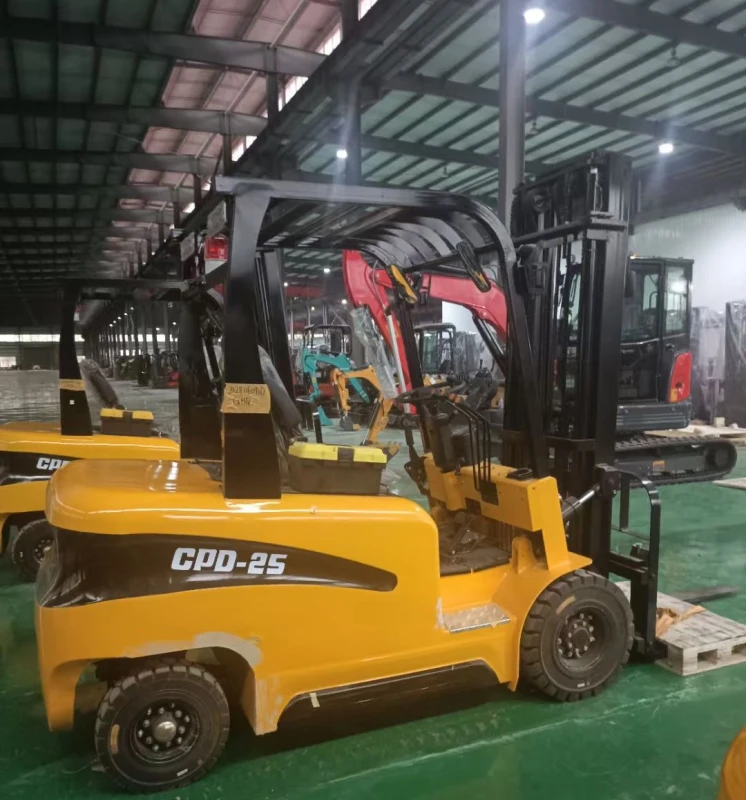
One South African customer mainly handled construction materials. His previous equipment worked through frequent pallet cycles. The main issue was not basic capability. Loads often stayed close to rated capacity.
YG Machinery reviewed load weight, working hours, and site conditions. We recommended a 2.5 ton four-wheel electric forklift. The customer also selected a battery system that matched his work schedule.
After deployment, the customer reduced overload operation. Drivers also gained better load control. Maintenance staff found daily inspections easier to schedule.
2.5 Tonne Forklift Technical FAQ
Not recommended. Load center and cargo center of gravity affect safe capacity.
Yes. Electric models work especially well in warehouses and factories.
No. Lithium suits high-frequency work. Lead-acid suits fixed shifts.
No. Check lowered mast height and building clearance too.
Check cargo weight, load center, lift height, and daily work cycles. Do not use cargo weight alone.
Final Takeaway: Correct Specs Matter More Than Bigger Capacity
The real performance of a 2.5 tonne forklift does not come from rated load alone. Load center, mast design, battery system, tires, hydraulics, and duty cycle all affect performance.
For warehouse, factory, and logistics users, a 2.5 ton four-wheel electric forklift can provide stable daily handling. The key is matching specifications to real working conditions.
Before buying a 2.5 tonne forklift, prepare your cargo weight, pallet size, lift height, daily hours, and floor conditions. This information helps suppliers recommend the right configuration.
