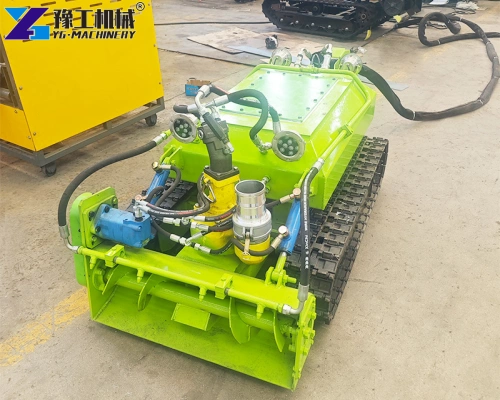
A water tank cleaning robot suits tanks with pumpable sludge, sediment, and wastewater deposits. Choose it by material condition, required flow, tank opening, working depth, pumping distance, and power source. Typical project targets include 100, 150, or 200 m³/h, while suitable systems can work at depths of about 10–30 m.
What Is a Water Tank Cleaning Robot?
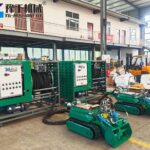
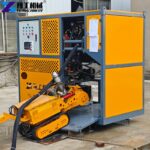
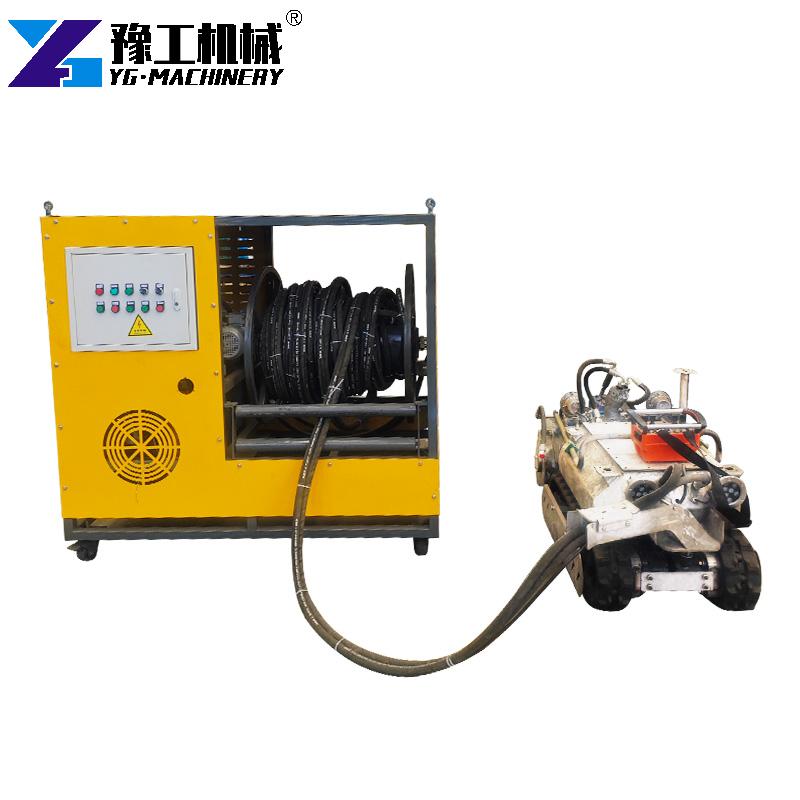
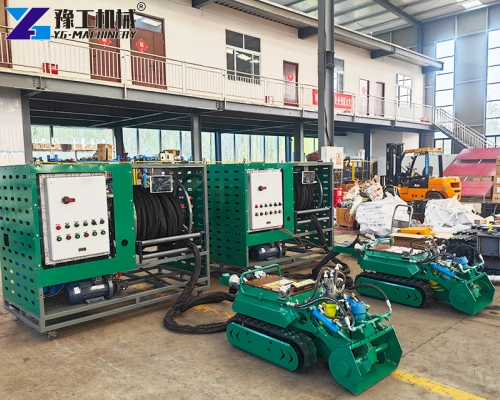
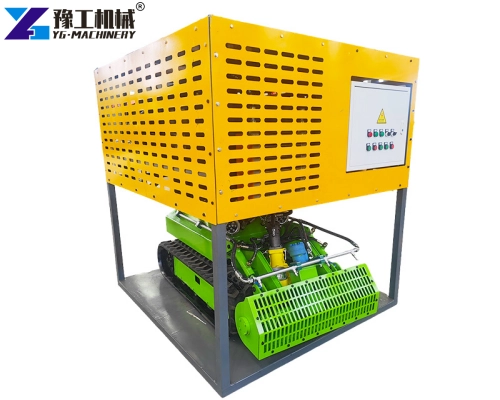
A water tank cleaning robot is a remotely operated machine for removing sludge, sediment, and wastewater from tanks. It combines a mobile robot, hydraulic power station, suction system, and discharge hose.
The robot moves across the tank bottom while the suction system removes pumpable material. High-pressure water can help loosen deposits when needed. It is mainly a cleaning and sludge-removal machine. It is not a replacement for heavy breaking equipment.
Who Should Use a Water Tank Cleaning Robot?
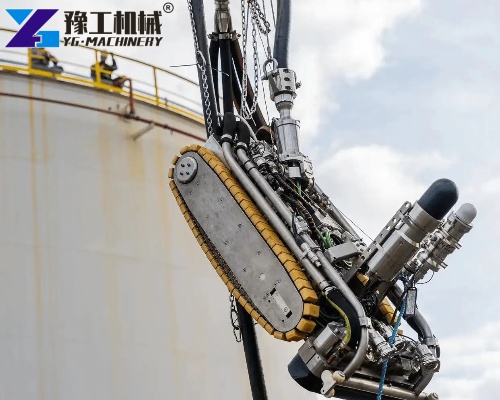
This equipment is worth considering if you manage:
- Water storage tanks with settled sediment
- Wastewater treatment tanks with pumpable sludge
- Industrial tanks requiring remote cleaning
- Oil-related tanks with suitable pumpable deposits
- Sedimentation tanks with accumulated solids
- Large enclosed tanks where manual entry creates safety concerns
- Deep tanks requiring remote operation
- Sites where regular cleaning creates high labor requirements
A sewer cleaning robot may be more suitable when the main working area is a narrow sewer or drainage pipeline.
Water Tank Cleaning Robot Parameter
The most important specifications are not limited to motor power. Check these parameters first:
| Model | YG-500 | YG-600 | YG-700 | YG-800 | YG-900 | YG-1200 |
| Robot Size | 1500*500*650mm | 1500*600*650mm | 1600*700*650mm | 1600*850*700mm | 1650*960*750 | 1900*1200*750 |
| Dredging Width | 500mm | 600mm | 700mm | 800mm | 900mm | 1200mm |
| Track Travel Speed | 3-15m/s | 3-15m/s | 3-15m/s | 3-15m/s | 3-15m/s | 3-15m/s |
| Water Pump Flow Rate | 100 cubic meters | 100 cubic meters | 160 cubic meters | 160 cubic meters | 200 cubic meters | 200 cubic meters |
| Water Pump Head | 0-30m | 0-30m | 0-25m | 0-25m | 0-25m | 0-25m |
| Hydraulic Station Dimensions | 2200*1200*1700 | 2200*1200*1700 | 2200*1200*1700 | 2200*1200*1700 | 2200*1200*1700 | 2120*1240*1200 |
| Main Motor Power | 18kw | 18kw | 22kw | 22kw | 22kw | 45kw |
How Much Does a Water Tank Cleaning Robot Cost?
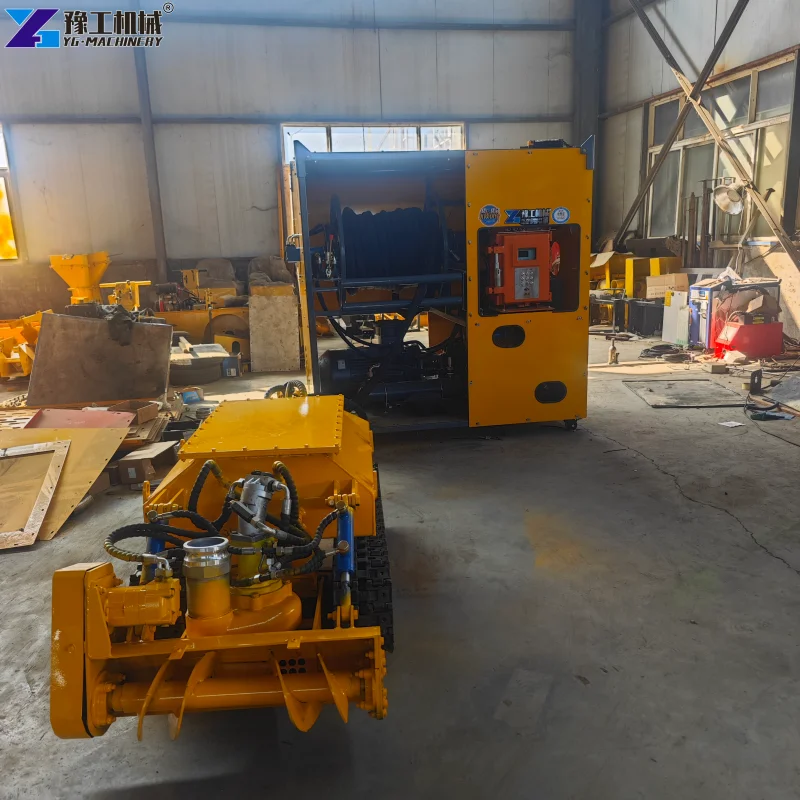
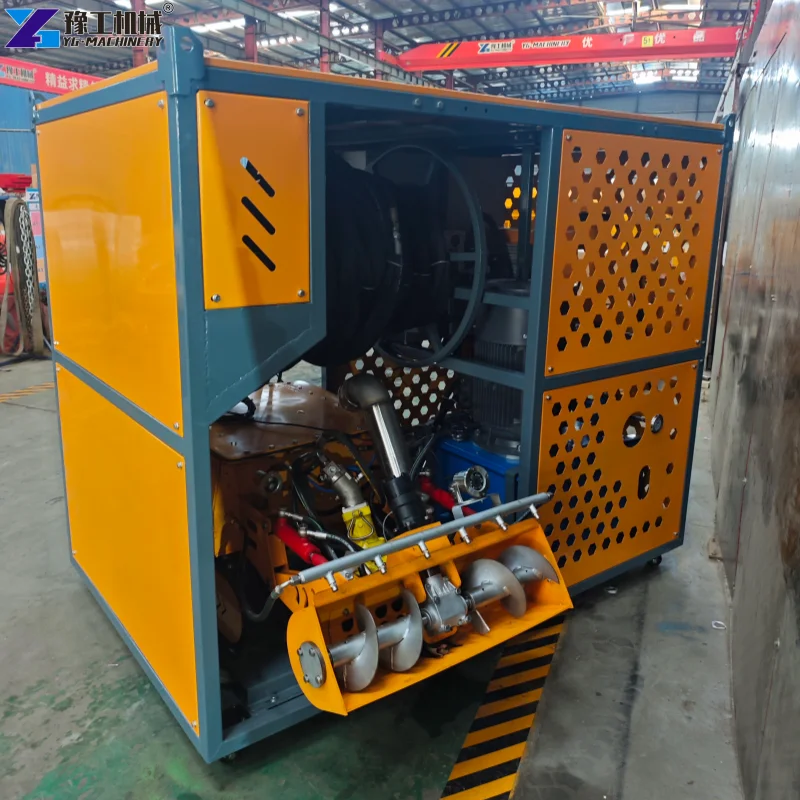
The purchase price depends mainly on capacity, robot size, power source, safety configuration, and optional equipment. A basic electric configuration normally costs less than a more heavily equipped system. Diesel power can also increase equipment cost.
Options can include:
- Explosion-proof motor
- High-pressure water pump
- Camera and display
- Stainless steel components
- Larger suction system
- Special hoses and seals
- Larger hydraulic power station
If your site has electricity → consider the electric version first. If electricity is unavailable → a diesel version may be more practical.
If you only clean one small tank → avoid unnecessary options. If the machine serves multiple projects → flexible configurations may offer better value.
The right comparison is not only the purchase price. Also consider labor, transport, downtime, maintenance, and cleaning frequency.
What Are the Main Limitations?
A water tank cleaning robot has clear operating limits.
1. Very thick sludge may not be pumpable
If sludge has very low fluidity, the suction system cannot remove it directly.
2. Large solids can block the hose
Rocks, metal pieces, plastic, and long fibers may require separate removal.
3. Hardened deposits need pre-treatment
Concrete-like or heavily compacted material is outside normal suction work.
4. Tank access can limit robot size
A large tank does not help if the robot cannot enter through the opening.
5. Chemical environments need special configurations
Standard components may not suit corrosive or flammable conditions.
6. Deep operation needs system-level checking
A rated working depth does not guarantee the same cleaning output at every depth.
A sludge cleaning robot should therefore be selected according to the material’s actual condition.
How Do You Choose a Water Tank Cleaning Robot?
Use these six decision rules:
Rule 1: Check the material first
If sludge is pumpable → then consider standard suction.
If sludge is thick but movable → then consider water-assisted suction.
If sludge is hardened → then plan pre-treatment first.
Rule 2: Match capacity to the daily workload
If cleaning is occasional → then avoid unnecessary high capacity.
If daily workload is high → then prioritize stable pumping and easy maintenance.
Rule 3: Measure the entrance
If the tank opening is narrow → then choose the robot around the smallest opening.
Rule 4: Match the power source
If stable electricity is available → then consider electric power.
If there is no reliable electricity → then consider diesel power.
Rule 5: Check the environment
If flammable gases are possible → then consider explosion-proof equipment.
If chemicals are present → then confirm corrosion resistance.
Rule 6: Check depth and discharge distance
If working depth approaches 20–30 m → then request a system calculation.
If the pumping distance is long → then check hose diameter and actual flow.
Water Tank Cleaning Robot Common Questions
Not directly. Very thick or hardened sludge may not flow into the suction system. Water dilution, high-pressure loosening, or mechanical pre-treatment may be required.
Common project targets are 100, 150, and 200 m³/h. The correct capacity depends on sludge condition, pumping distance, and required cleaning speed.
Suitable configurations can reach approximately 10–30 m of working depth. Actual performance depends on the complete system and site conditions.
Yes, when the oil sludge remains pumpable and the configuration matches the site. Explosion-proof equipment may be required in hazardous environments.
Yes, loose sediment is generally suitable. Compact sediment may need high-pressure water before suction.
Large rocks are not suitable for direct suction. Oversized solids should be removed separately to prevent hose or pump blockage.
Electric power suits sites with reliable electricity. Diesel power is more practical where stable electrical supply is unavailable.
Potentially, but chemical compatibility must be checked first. Seals, hoses, metal parts, and electrical components may need special configurations.
Final Recommendation
Choose a water tank cleaning robot from the jobsite backward. Start with the sludge condition, then check capacity, entrance width, depth, pumping distance, power, and safety requirements. A pumpable material may need only standard suction. Very thick sludge may need pre-treatment. For deeper sediment work, the same equipment concept can also serve as a dredging robot when properly configured.