“How much can this machine cut in one day?” This is usually the first question overseas buyers ask YG Machinery. But on real construction sites, cutting speed is not the only thing that affects profit. Rebar density, cutting angles, working space, underwater conditions, and wire consumption matter much more during daily operation. In today’s market, more bridge, subway, and dock projects now use diamond wire saw for concrete systems. The reason is practical. Traditional blade cutting creates too much vibration and can damage nearby structures. In Southeast Asia and Western markets, many projects now require low-noise and low-dust demolition.
Many Google-ranking pages only list machine specifications. However, they rarely explain real job-site problems. That is why many buyers still feel confused after reading them.
So this article takes a different approach. We will talk about the reality on site.
Diamond Wire Saw for Concrete Parameter
| Wire Saw Wheel Parameters | Hydraulic Pump Station Parameters | ||
| Wire Drive Mode | hydraulic | Rated Output Power | 22/25KW |
| Model Type | HM-40/80 | Working Voltage | 380v 50Hz |
| Minimum Input Power | 25HP/33HP | Hydraulic Pump Station | Gear pump |
| Output Shaft Speed | 350/940/1300r/min | Motor Working Floe | 40-100L/min |
| Maximum Wire Length | 18m | Working Pressure | 15-20Mpa |
| Feeding Method | Fully hydraulic | Oil Tank Volume | 16L |
| Wire Saw Wheel | 64kg | Weight | 98kg |
| Motor Weight | 13kg | Dimension(mm) | 650*550*1150 |
| Cutting Type | Transverse and longitudinal cutting | ||
Why More Construction Teams Stop Using Traditional Blade Cutting
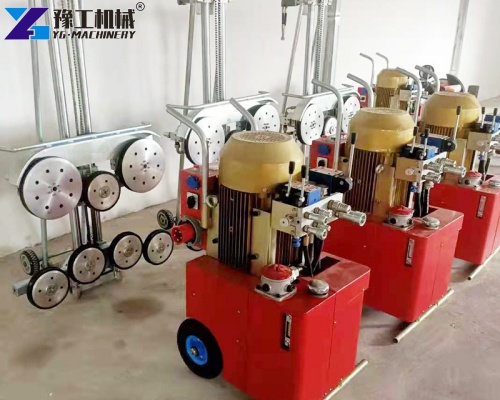
Traditional blade cutting works well for thin concrete. However, problems appear when contractors handle thick bridge piers, underground structures, or heavily reinforced walls. Vibration increases. Blades overheat easily. Small cracks sometimes appear inside nearby structures.
A diamond wire saw for concrete uses static cutting technology. The hydraulic system drives the diamond bead wire at high speed to complete the cutting process.
Simply put. It stays more stable.
According to YG Machinery overseas project data, wire saw concrete cutting normally reaches 7-8㎡ per hour. If the structure contains less steel reinforcement, efficiency becomes even higher.
Tip: Many job sites do not fear slow cutting. They fear unexpected downtime.
How a Diamond Wire Saw for Concrete Actually Works
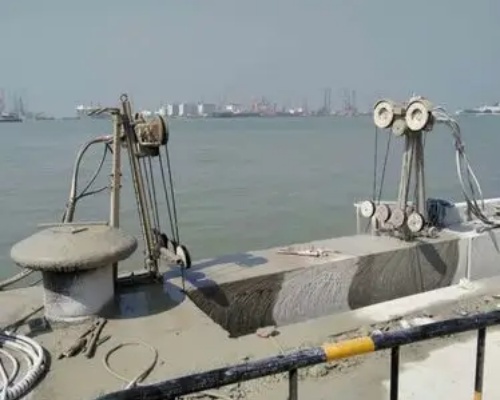
Many first-time buyers think the machine looks complicated. The operating logic is actually straightforward.
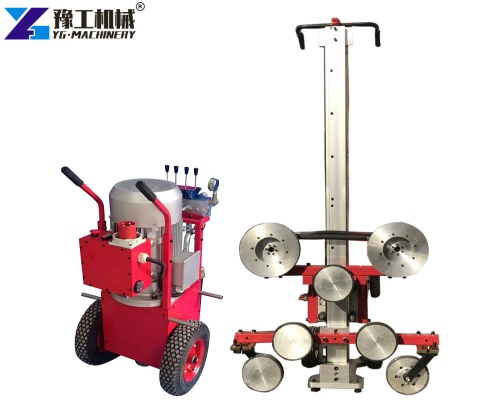
The hydraulic station provides oil pressure. The hydraulic motor starts rotating. The driving wheel pulls the diamond wire at high speed. Then the guide wheels control the cutting direction.
During the entire process, hydraulic stability is extremely important. If pressure fluctuates, the diamond wire may shift during cutting. In serious cases, the wire can even break.
Standard concrete cutting wire usually uses 11.5mm cable. Metal cutting normally uses 10.5mm cable. Each meter contains around 40 diamond beads.
A Complete System Normally Includes:
- Hydraulic pump station
- Hydraulic motor
- Driving wheel system
- Diamond bead wire
- Guide wheels
- Water cooling system
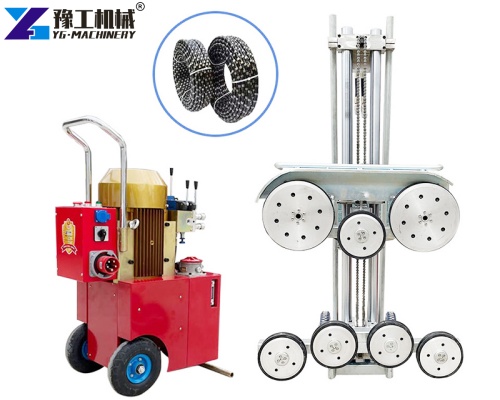
YG Machinery hydraulic wire saw systems normally use 380V, 50Hz, three-phase power, while custom voltage options are also available.
Which Projects Need a Diamond Wire Saw for Concrete Most
Many people think wire saw systems are only for bridge demolition. Actually, modern applications are much wider.
Bridge Demolition Projects
Bridge cutting usually involves dense steel reinforcement and complex structures. Traditional blade systems create heavy vibration. A wire saw for concrete works better for static demolition. Especially on elevated bridge projects.
Subway and Underground Projects
Underground space stays limited. Large machines simply cannot fit. Compact hydraulic wire saw systems operate more easily in narrow spaces while keeping noise levels lower.
Dock and Underwater Cutting
Many Southeast Asian contractors handle dock platform reconstruction. During underwater cutting, hydraulic stability matters more than raw power.
Stone and Quarry Cutting
Large diamond wire saw machine systems also work well for granite and marble shaping. Continuous cutting performance stays stronger.
Singapore Customer Case: Why One Contractor Replaced a European Machine
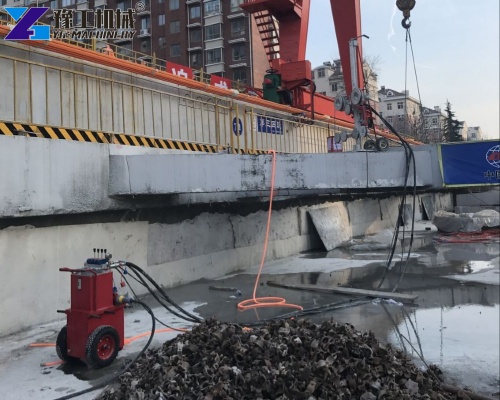
In 2024, a Singapore contractor named Michael contacted YG Machinery.
His bridge project had been using a European machine for years. However, maintenance costs kept increasing, and underwater cutting often caused unexpected shutdowns.
At first, the customer had no plan to change suppliers. Later, YG Machinery redesigned the setup with a 22KW hydraulic wire saw system and adjusted the guide wheel layout according to site conditions.
After two weeks, the customer shared clear feedback:
- Daily downtime decreased by around 35%
- Cutting speed remained above 7㎡ per hour
- Diamond wire consumption dropped noticeably
- Job-site noise became lower
Later, the customer reordered more diamond wire saw for concrete consumables. In many cases, contractors do not only need machines. They need stable construction.
How to Choose the Right Diamond Wire Saw Machine
Many first-time buyers immediately ask about price. However, professional equipment selection should start with project conditions.
1. What Material Needs Cutting
Is it normal concrete, heavy reinforced concrete, or stone? Different materials require different diamond wire specifications.
2. How Dense Is the Rebar
The more steel reinforcement inside the structure, the faster the wire wears. For thick bridge piers, contractors should choose high-torque hydraulic systems.
3. How Large Is the Working Space
Narrow spaces need compact machines. Large open sites can use high-power hydraulic systems.
4. Does the Project Need Multi-Angle Cutting
Some projects require both horizontal and vertical cutting. In these situations, the guide wheel system becomes extremely important.
Tip: Do not only compare motor power. Hydraulic stability matters more.
Job-Site Details Many Contractors Ignore
Many construction teams focus only on machine power during purchasing. However, real project cost often depends on smaller details.
For example, in reinforced concrete cutting projects, heavy rebar density increases diamond bead wire wear much faster. Some bridge projects even prepare backup wire to avoid unexpected downtime.
Water cooling also affects cutting stability directly. Without proper cooling, cutting lines may shift and the high-pressure hydraulic motor can lose efficiency during long operation.
For dock and bridge pier projects, contractors pay close attention to underwater concrete cutting stability because water conditions affect hydraulic pressure output.
Many Western buyers also care about dust control from concrete demolition equipment. Compared with blade cutting, static cutting technology creates less dust and vibration, making local environmental approval easier.
In large bridge projects, the guide wheel layout of the bridge cutting machine also matters a lot. Poor guide angles can shorten diamond wire lifespan quickly.
Most equipment introductions barely explain these details. But job-site teams deal with them every day.
Diamond Wire Saw for Concrete FAQ
Yes. Wire saw systems have almost no clear thickness limit.
Yes. Many dock and bridge projects use hydraulic wire saw systems underwater.
The machine uses static cutting and water cooling during operation.
Normally, one meter of wire cuts around 2.5-3㎡ of concrete, but heavy steel reinforcement wears faster.
Why More Overseas Contractors Choose YG Machinery
YG Machinery focuses more on real construction needs. We do not simply recommend the largest machine. In many cases, a better-matched solution helps customers reduce long-term costs.
Today, YG Machinery supports projects across Southeast Asia, the Middle East, Central Asia, and South America. For large bridge, dock, and underground projects, stable operation matters more than attractive specifications. People on construction sites understand this best.